

We support a coordinated system of educational, health, mental health, and social services working with state and community leaders, organizations, providers, and families to offer high-quality early childhood care and education for Nebraska families.
Early childhood is a foundation period that shapes how children approach learning, relationships, and daily routines. When families have access to coordinated support during these formative stages, children are more likely to enter school ready to explore, communicate, and grow alongside their peers. Community programs that connect education, health, and family services help create steadier paths for young learners and reduce gaps that can otherwise widen before kindergarten begins. Across neighborhoods and regions, thoughtful collaboration between providers and caregivers builds stronger starting points for every child.
Preschool development initiatives often focus on strengthening the connections among early learning programs, so families do not have to navigate fragmented systems on their own. When child care, preschool, health services, and family support share information and goals, children experience more consistent care. Coordinated planning also helps communities identify where resources are limited and where new partnerships could help. Through shared leadership, regions can support each stage of early growth with greater continuity.
Workforce development is a central concern in early childhood education, because the quality of any program depends on the knowledge and stability of the adults working with young children. Professional development opportunities, mentorship, and recognized endorsements help educators refine their practices and stay current with research. Supporting early childhood professionals also means addressing compensation, training pipelines, and leadership pathways. When the workforce feels valued and prepared, children benefit from more responsive and intentional interactions throughout their early years.
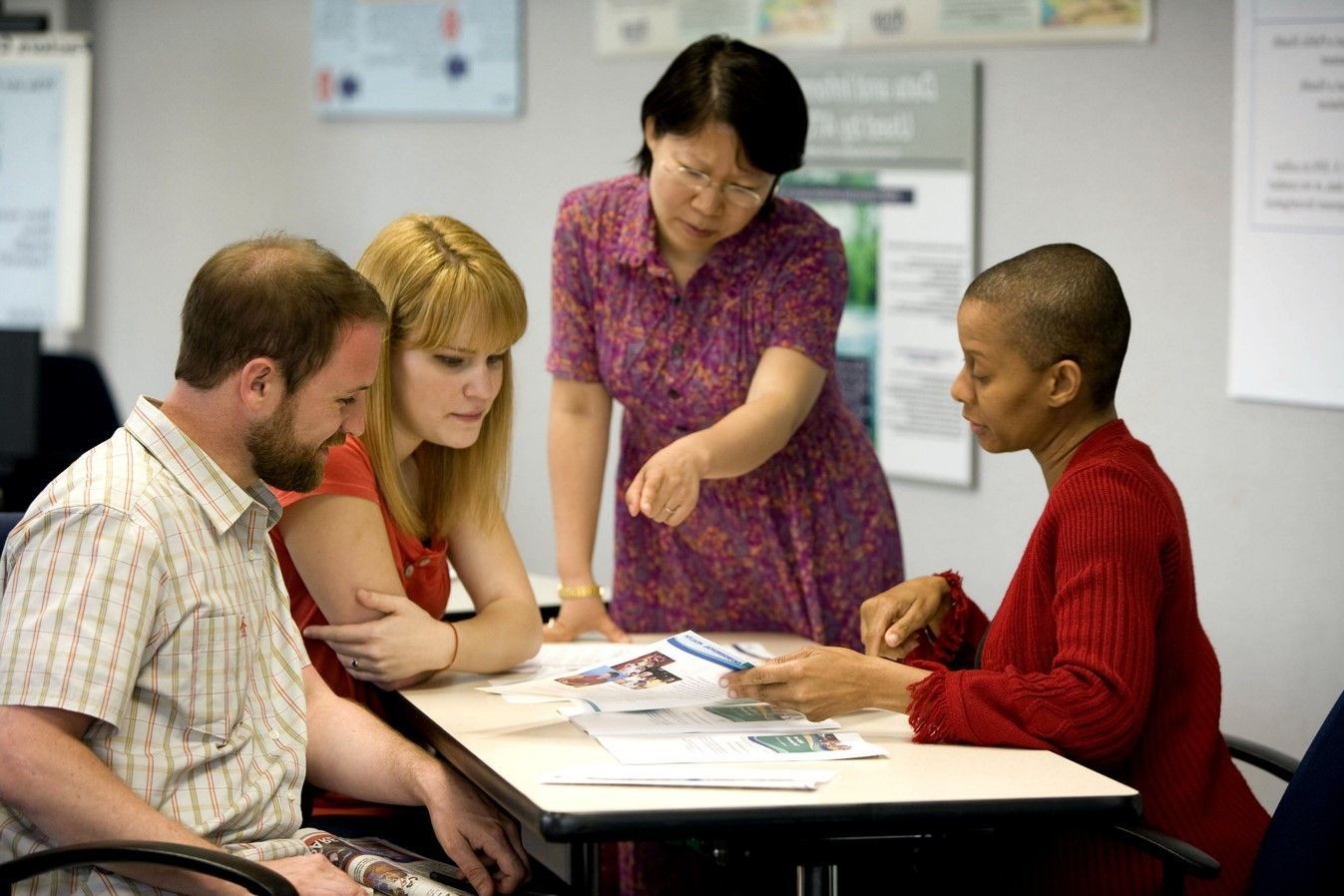
Family engagement is most effective when it reflects the cultures, languages, and routines that shape each household. Programs that invite parents and caregivers as partners, rather than as passive recipients of services, tend to build trust and long-term involvement. Translating materials, hosting community events, and offering flexible ways to participate help reduce barriers for busy families. Listening to family priorities ensures that programs remain relevant and respectful, supporting children where they live and learn.
Health, mental health, and social services are closely linked to early learning outcomes. Children who receive developmental screening, nutrition support, and access to mental health resources often experience fewer disruptions in their educational progress. Embedding these supports within early childhood settings helps reach children early, when interventions tend to be most effective. Integrated approaches also reduce the stigma that families may feel when seeking help, normalizing care as part of healthy development.
Data and evaluation play an important role in improving early childhood systems. When communities collect and review information about participation, assessment results, and service gaps, they can make more informed decisions about where to invest. Transparent reporting helps stakeholders understand what is improving and where additional support is needed. Evaluation should always respect family privacy and use information in ways that strengthen, rather than penalize, the programs serving young children.
Equity remains a guiding principle in early childhood work, because access to high-quality care has not been evenly distributed across communities. Historical disparities related to race, income, geography, and language have shaped who is reached by services and who is often overlooked. Addressing these gaps requires intentional outreach, community-led planning, and sustained funding. Equity-focused efforts aim to ensure that every child, regardless of background, has the opportunity to learn, play, and grow in supportive environments.
Strategic planning at the state and community level helps align early childhood initiatives with broader goals for education, health, and economic stability. A shared vision encourages partners to coordinate funding streams, avoid silos, and pursue common measures of success. Planning processes that include parents, providers, and tribal partners tend to produce more grounded and durable strategies. Ongoing review keeps plans responsive to changing community needs and emerging research.
Quality in early childhood programs is often reflected in everyday interactions, learning environments, and curriculum choices. Safe spaces, age-appropriate materials, and predictable routines support young children as they build language, problem-solving skills, and social confidence. Professional learning communities help educators share practices and reflect on their work together. When quality improvement is treated as a continuous process, programs can adapt alongside the families who rely on them.
Community partnerships amplify the reach of early childhood efforts by bringing together schools, health agencies, libraries, businesses, and faith-based organizations. Each contributes unique strengths, whether through space, volunteers, expertise, or outreach. Collaborations can also help sustain programs beyond initial grant cycles by building local investment. When communities rally around their youngest members, early childhood becomes a shared responsibility rather than a single agency's task, strengthening outcomes across entire regions.